
I still remember the first time I cooked a top sirloin at home – blazing hot cast iron, timer in hand, cutting into it every 30 seconds to check doneness – and still ending up with a tough, unevenly cooked disappointment.
It tasted fine, but nothing like the tender, juicy sirloin I’d had at a good steakhouse. I was close to writing this cut off entirely. Then I tried sous vide, and everything changed.
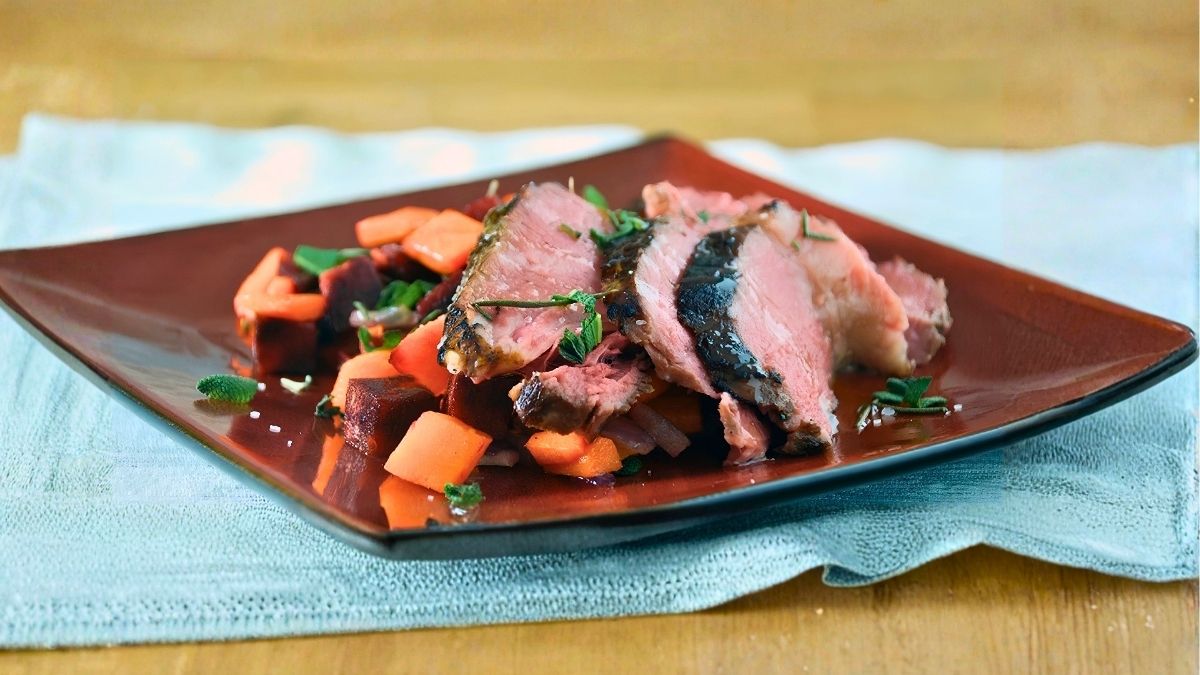
This Sous Vide top sirloin steak recipe transforms an affordable, boldly flavored cut into something genuinely extraordinary – deeply tender, perfectly pink from edge to edge, with a golden, crackling sear on the outside. No guesswork. No bullseye effect. No rubbery overcooked edges.
Once you try cooking top sirloin sous vide, you’ll see why it’s one of the easiest ways to get perfectly cooked steak at home..
Note: The recommended cook time is 10 hours at 131°F for maximum tenderness and medium-rare doneness – plan ahead, and you’ll be rewarded.
What Is Top Sirloin Steak and Why Do Steak Lovers Swear By It?
Top sirloin sits in a sweet spot that few steak cuts can claim: bolder and beefier than filet mignon, more affordable than ribeye, and far superior to the generic bottom sirloin that often ends up in grocery carts without a second thought. Sirloin is a sub-primal of the cow, meaning several different cuts fall under that umbrella.
Top sirloin is the prized portion – more tender, better marbled, and richer in beef flavor than its bottom sirloin counterpart. It’s exactly what you’d expect on a quality steakhouse menu, and it’s also celebrated globally as picanha – the Brazilian cut that has quietly become a favorite among sous vide enthusiasts exploring beyond the usual ribeye and New York strip.
What makes top sirloin distinctive is its deep, assertive beef flavor that stands up beautifully to bold spice rubs and high-heat searing.
It’s leaner than ribeye but no less satisfying – especially when slow, gentle sous vide heat breaks down its connective tissue, turning a firm weeknight steak into something genuinely melt-in-your-mouth tender. That transformation is the whole point of this recipe.
The History of Top Sirloin and How Sous Vide Changed Everything
Top sirloin has earned its steakhouse status over decades, celebrated for bold, beefy character at a price point that doesn’t require a special occasion.
Traditionally cooked over high heat – grill, broiler, or cast iron – it was a cut that rewarded quick, confident cooking, even if it sometimes came out chewier than expected at home.
The name “sirloin” itself carries a long and geographically tangled history. Depending on where you are in the world, sirloin can refer to the short loin, the upper hip, or even the rump – a naming inconsistency that still confuses butcher counter conversations today.
Across the United States, however, top sirloin has remained a reliable benchmark for accessible, quality beef.
Sous vide has its own remarkable history. Born in French professional kitchens in the 1970s through the pioneering work of chefs Georges Pralus and Bruno Goussault, the technique spent decades as a closely guarded restaurant tool.
By the early 2010s, affordable home immersion circulators democratized the method for everyday cooks – and it quickly became clear that cuts like top sirloin were among the biggest beneficiaries. What once required a skilled chef to not overcook, you can now nail perfectly from your own kitchen every time.
Key Ingredients That Give This Sous Vide Sirloin Steak Its Signature Flavor
Every ingredient in this recipe earns its spot. Here’s why each one is essential to the final result:
Top Sirloin Steaks (1½–2 inches thick)
Choose steaks that are 1½ to 2 inches thick for the best results. Thicker steaks are easier to sear without overcooking the center.
Kosher Salt
Kosher salt seasons the steak and helps keep it juicy during cooking. It also enhances the natural beef flavor.
Steak Seasoning or Spice Rub (Optional)
Add your favorite steak seasoning or dry rub for extra flavor. Wait until after sous vide cooking to add black pepper, as it can become bitter during a long cook.
Avocado Oil
Use avocado oil for searing because it has a high smoke point. It helps create a rich, golden-brown crust without burning.
Unsalted Butter
Add butter during the final sear, not in the sous vide bag. It gives the steak a rich, buttery finish and enhances the flavor.
Sous Vide Top Sirloin Steak: Recipe Ingredients
| Ingredient | Quantity | Notes |
|---|---|---|
| Top sirloin steaks | 2 (10–16 oz each) | 1½ to 2 inches thick for best results |
| Kosher salt | 2 teaspoons | Apply before bagging for dry-brine effect |
| Steak seasoning or spice rub | 1–2 teaspoons | Optional; skip black pepper until after cook |
| Avocado oil | 1 tablespoon | High smoke point oil; grapeseed or light olive oil work too |
| Unsalted butter | 1 tablespoon | Add during sear only, not in the bag |
| Freshly ground black pepper | To taste | Add after sous vide, before or after searing |
Tools You Need to Make Sous Vide Top Sirloin at Home
- Sous vide immersion circulator – the essential tool
- Large heat-safe container or stockpot – polycarbonate (Cambro, Rubbermaid) holds heat well
- Vacuum sealer or zip-top freezer bag – water displacement method works perfectly with zip bags
- Cast iron skillet or grill – for the final high-heat sear
- Paper towels – for drying the steak before searing (non-negotiable step)
- Tongs – for turning during the sear
- Sous vide magnets or clips – to keep the bag fully submerged
Preparation Time: 10 minutes
Sous Vide Cook Time: 4–10 hours (10 hours at 131°F recommended for tender medium-rare)
Sear Time: 3–4 minutes
Total Active Time: ~20 minutes
Steps to Make This Sous Vide Top Sirloin Steak Recipe
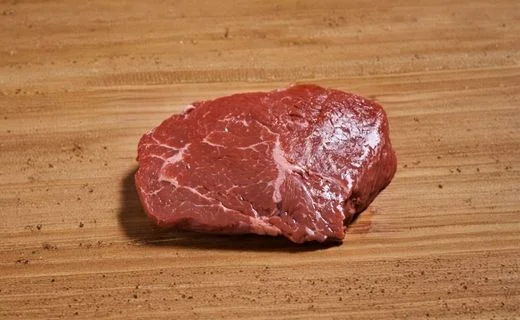
1. Season the Steaks
Remove steaks from store packaging. Pat dry and season generously on all sides with kosher salt.
Add your steak seasoning or spice rub if using. Hold off on the black pepper – add it after the water bath.
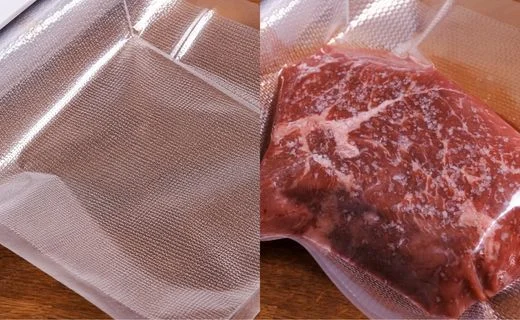
2. Bag the Steaks
Place each steak into a vacuum-seal bag or zip-top freezer bag in a single, flat layer. Do not stack steaks – stacking increases effective thickness and leads to uneven cooking.
Seal with a vacuum sealer, or use the water displacement method for zip bags: slowly lower the open bag into the water, letting pressure push air out, then seal at the waterline.
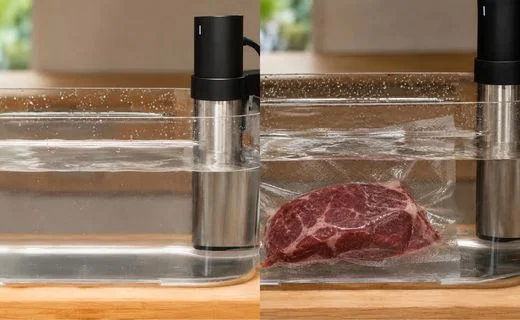
3. Set Up Your Water Bath
Fill your container, ensuring water sits between the min and max lines on your immersion circulator. Set the temperature based on your desired doneness:
- Rare: 125°F
- Medium-Rare: 131–135°F (recommended)
- Medium: 140°F
- Maximum recommended: 150°F
No need to preheat – unlike delicate proteins like fish, top sirloin can go directly into the water as it heats.
4. Cook the Steaks
Submerge the sealed bag, using clips or sous vide magnets to keep it completely underwater – any part of the steak above the waterline won’t cook evenly. Cook for the following times based on your goals:
- To heat through only: 1½ inches = ~2 hours 20 min / 2 inches = ~3 hours 35 min
- For tenderness: 4–10 hours (the sweet spot for most top sirloins)
- Tough bottom sirloin, select grade: up to 18 hours
- Recommended: 10 hours at 131°F for melt-in-your-mouth, medium-rare top sirloin
Note: Once the cook is complete, remove the bag from the water bath. If not serving immediately, transfer to an ice bath and refrigerate in the sealed bag – it’ll keep for 1–2 weeks. If serving now, proceed immediately.
5. Dry the Steak Thoroughly
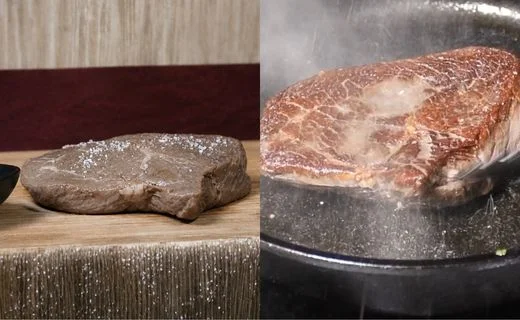
Remove the steak from the bag and use paper towels to aggressively remove all surface moisture.
Every drop of water you leave on the surface is crust you’re sacrificing. The steak should feel dry to the touch before it ever hits the pan.
6. Sear Over High Heat
Heat a cast iron skillet or grill until smoking hot. Add avocado oil. Place the steak in the pan and sear, turning every 30–45 seconds, for 2–3 minutes total.
You are building color and crust only – the interior is already at the perfect temperature. In the final 30 seconds, add butter and baste the steak continuously.
7. Season, Rest, and Serve
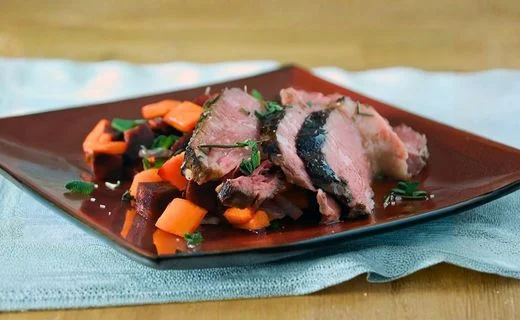
Add freshly ground black pepper immediately after the sear. Let the steak rest 3–5 minutes, then slice against the grain and serve.
Pro Tips for Getting the Flavor Just Right
Pat the Steak Dry
Dry the steak well with paper towels before searing. Removing as much moisture as possible helps create a rich, golden-brown crust.
Let the Steak Cool Slightly
After the sous vide bath, let the steak rest for 10 to 15 minutes before searing. This gives you more time to build a crust without overcooking the center.
Adjust the Cook Time
Higher-quality top sirloin is usually tender after 4 to 6 hours. Tougher cuts can benefit from 10 to 18 hours for a more tender texture.
Flip Often While Searing
Turn the steak every 30 to 45 seconds for a more even crust. Frequent flipping also helps prevent the inside from overcooking.
Skip the Butter in the Bag
Don’t add butter or olive oil to the sous vide bag. Save the butter for the final sear, where it adds the most flavor.
Cook Long Enough for Food Safety
Cooking at 131°F for 4 hours or longer pasteurizes the steak while keeping it medium-rare. This makes sous vide a safe and reliable cooking method when proper food safety guidelines are followed.
Easy Variations to Customize This Sous Vide Sirloin
Herb Butter Finish: Mix softened butter with minced garlic, fresh rosemary, and thyme. Baste the steak with it during the final sear for a steakhouse-style richness that needs nothing else on the plate.
Smoky BBQ Rub: Combine smoked paprika, garlic powder, brown sugar, cumin, and a pinch of cayenne before bagging. Finish on a hot grill instead of cast iron for extra char and smoke.
Asian-Inspired Sirloin: Add a splash of soy sauce and a few slices of fresh ginger to the bag. Slice thin after searing and serve over steamed rice with sesame oil and scallions.
Garlic-Infused Version: Add two smashed garlic cloves to the bag with the steak. The extended bath time draws garlic flavor deep into the meat without overpowering it.
Whole Sirloin Roast: The same technique applies to a full top sirloin roast. Increase cook time to 10–18 hours depending on thickness, then slice into thick portions and sear individually for a showstopping centerpiece.
Best Ways to Serve Sous Vide Top Sirloin Steak in Your Meals
One of the best things about sous vide top sirloin is how versatile it is. Its perfectly even doneness makes it just as delicious in elegant dinners as it is in quick weeknight meals.
Classic Steakhouse Dinner
Serve thick slices of sirloin with roasted garlic mashed potatoes, sautéed mushrooms, and a spoonful of chimichurri or peppercorn sauce. The edge-to-edge rosy center gives every plate a restaurant-quality presentation.
French Dip Sandwich
Pile thinly sliced leftover sirloin onto a toasted hoagie roll and serve with homemade au jus made from the reserved bag juices. It’s an easy way to turn leftovers into an unforgettable sandwich.
Fresh Steak Salad
Arrange chilled slices over arugula with cherry tomatoes, shaved Parmesan, and red onion, then finish with a bright lemon vinaigrette. The precise sous vide cook keeps the steak tender and juicy, even when served cold.
Street-Style Steak Tacos
Fill warm corn tortillas with sliced sirloin, fresh cilantro, pickled onions, and avocado crema. A squeeze of lime brightens the rich beef and smoky toppings.
Meal Prep for the Week
Cook several steaks at once, chill them in an ice bath, and refrigerate them in their sealed bags. Reheat portions whenever needed for grain bowls, wraps, salads, sandwiches, or breakfast scrambles.
Steak and Eggs
Quickly sear thin slices of leftover sirloin until lightly crisp, then serve alongside over-easy eggs and buttered toast. It’s a hearty breakfast or brunch that comes together in minutes.
Serve with a Flavorful Dipping Sauce
While this sous vide top sirloin is delicious on its own, a good dipping sauce can take it to the next level. Southwest Ranch is my favorite because its cool, creamy flavor pairs perfectly with steak, fries, or roasted potatoes. If you like a little heat, Golden Fire Sauce adds a sweet, smoky kick that’s great for dipping or brushing over sliced steak. For a classic steakhouse finish, serve it with garlic herb butter, chimichurri, or creamy peppercorn sauce.
How to Store and Keep Your Sous Vide Sirloin Fresh
Refrigerator (Seared): Store the cooked steak in an airtight container for 3 to 4 days.
Refrigerator (Unseared): After an ice bath, keep the steak in its sealed bag in the refrigerator for 1 to 2 weeks.
Freezer: Freeze the unseared steak in its sealed bag for up to 6 months. Thaw it in the refrigerator before reheating and searing.
Reheating: Return the sealed bag to a water bath set to the original cook temperature for 1–2 hours, then finish with a 60-second sear to revive the crust. Avoid the microwave – it destroys the texture that the long sous vide cook worked hard to create.
Nutrition Facts and Dietary Notes
A 6-ounce serving of sous vide top sirloin steak delivers approximately 280–320 calories, 38–42g of protein, 13–16g of fat, and 0g of carbohydrates, making it a naturally keto-friendly and gluten-free protein source. For a dairy-free version, replace butter with avocado oil for the sear. The recipe is paleo-compatible when paired with a clean spice rub and vegetable sides.
Top sirloin is rich in zinc, B12, iron, and selenium – nutrients essential for immune function, energy metabolism, and muscle repair. Sous vide’s gentle, low-heat cooking method also preserves more moisture and nutrients than high-heat methods, making it one of the most nutrient-efficient ways to prepare steak.
Frequently Asked Questions About Sous Vide Top Sirloin Steak
To help you along, we’ve put together answers to some of the most common questions about this recipe.
1. What is the best temperature for sous vide top sirloin steak?
The best temperature for medium-rare is 131–135°F. Cook at 140°F for medium or 150°F for well-done. For the juiciest and most tender steak, medium-rare is the most popular choice.
2. How long should I sous vide a top sirloin steak?
Cook a 1½-inch top sirloin steak for at least 2 hours and 20 minutes. For a more tender texture, cook it for 4 to 10 hours. Tougher cuts can benefit from even longer cooking times.
3. Do I need a vacuum sealer to sous vide top sirloin?
No, you don’t. A zip-top freezer bag works just as well. Use the water displacement method to remove the air before sealing the bag.
4. Why does my sous vide steak look gray after cooking?
This is completely normal. Sous vide cooking doesn’t brown the outside of the steak. A quick, high-heat sear after cooking gives it a golden crust and rich flavor.
5. Can I cook a frozen top sirloin steak sous vide without thawing?
Yes, you can. Place the frozen steak directly in the water bath and add about 1 extra hour to the cooking time. There’s no need to thaw it first.
Sous Vide Top Sirloin Steak Recipe
Ingredients
Method
- Start by seasoning the steaks. Pat the steaks dry and season all sides with kosher salt and steak seasoning, if using.
- Seal the steaks. Place each steak in a vacuum-seal bag or zip-top freezer bag and remove the air.
- Sous vide the steaks. Cook in a 131°F (55°C) water bath for 10 hours for the most tender medium-rare steak. For a firmer texture, cook for 4–6 hours.
- Dry the steaks. Remove the steaks from the bags and pat completely dry with paper towels.
- Sear the steaks. Heat a cast-iron skillet over high heat. Add the avocado oil and sear the steaks for 2–3 minutes total, flipping every 30–45 seconds. Add the butter during the last 30 seconds and baste.
- Now season with black pepper, rest for 3–5 minutes, slice against the grain, and serve.
Video
Notes
Refrigerator (Unseared): After an ice bath, keep the steak in its sealed bag in the refrigerator for 1 to 2 weeks.
Once you try top sirloin cooked sous vide, it’s easy to see why so many home cooks swear by this method. The even doneness, tender texture, and rich crust are difficult to achieve with traditional cooking methods.
We’d love to hear what you think of this recipe! Give it a try and let us know how it turned out by leaving a comment below. Don’t forget to follow us on Pinterest, Facebook and YouTube for more delicious recipes, cooking inspiration, and kitchen tips. Your feedback and support help us continue creating content you’ll love!